
Pregnancy is a time of immense hormonal changes, and one of the most crucial yet often overlooked aspects is thyroid health. The thyroid, a small butterfly-shaped gland in your neck, plays a big role in supporting both maternal well-being and fetal development.
Why Is the Thyroid So Important in Pregnancy?
Your thyroid produces hormones—T3 (triiodothyronine) and T4 (thyroxine)—that regulate metabolism, brain development, and various body functions. During pregnancy, your body needs about 30–50% more thyroid hormone to support:
- The growing fetus (especially brain and neural development)
- The increased metabolic demands of pregnancy
- Placental function
- In early pregnancy, the fetus is completely dependent on the mother’s thyroid hormones, making proper maternal thyroid function critical.
The Role of Iodine
- Iodine is a vital building block of thyroid hormones. Pregnancy increases iodine requirements.
- WHO recommends 250 mcg/day for pregnant and lactating women.
- Prenatal vitamins should include 150 mcg of iodine, preferably in the form of potassium iodide.
Algorithm of diagnosis of thyriod dysfunction

Understanding Hypothyroidism in Pregnancy
Hypothyroidism is a condition where the thyroid gland doesn’t produce enough hormones. It can be overt (TSH high, T4 low) or subclinical (TSH high, T4 normal).
Common Causes:
- Hashimoto’s thyroiditis (most common in women of reproductive age)
- Iodine deficiency
- Previous thyroid surgery or radiation
- Pituitary disorders (rare)
Risks of Untreated Hypothyroidism in Pregnancy
If hypothyroidism is not properly managed, it can lead to serious complications such as:
For the mother:
- Miscarriage
- Anemia
- Preeclampsia
- Placental abruption
- Postpartum hemorrhage
For the baby:
- Premature birth
- Low birth weight
- Neurodevelopmental delay
- Stillbirth
When and Whom to Test?
- Routine universal screening is debated, but targeted testing is advised for:
- Women with a history of thyroid disease
- Those with goiter or symptoms like fatigue, cold intolerance, weight gain
- Women with type 1 diabetes or other autoimmune diseases
- History of miscarriage or infertility
- Family history of thyroid disorders
Recommended thyroid function tests:
TSH
Free T4
Anti-TPO antibodies (if autoimmune thyroid disease is suspected)
📊 TSH Trimester-Specific Reference Ranges
| Trimester | Recommended TSH Range (mIU/L) |
| First | 0.1 – 2.5 |
| Second | 0.2 – 3.0 |
| Third | 0.3 – 3.0 |
Note: Values may vary slightly based on local lab norms or population-specific data.
Management: Safe and Effective Treatment
The treatment of choice is Levothyroxine (LT4), a synthetic form of T4. It’s completely safe during pregnancy.
Key Points:
- Women already on LT4 often need a 30–50% dose increase once pregnant.
- Aim to normalize TSH within trimester-specific ranges.
- Monitor thyroid function every 4–6 weeks.
- Adjust dosage as needed based on lab results.
- Don’t delay starting treatment—early control is key to fetal brain development.
When to Start Levothyroxine Treatment in Pregnancy (Based on TSH and TPO Status):
- TSH > 10 mIU/L (any antibody status):
Treatment is mandatory with levothyroxine. - TSH ≤ 2.5 mIU/L:
No treatment needed. - TSH between 2.5–10 mIU/L:
Treatment depends on TPO antibody status:
3.1 TPO Positive:
- TSH > 4.0 mIU/L: Treatment recommended
- TSH 2.5–4.0 mIU/L: Treatment should be considered
3.2 TPO Negative:
- TSH 2.5–10 mIU/L: Treatment may be considered, but not strongly recommended.
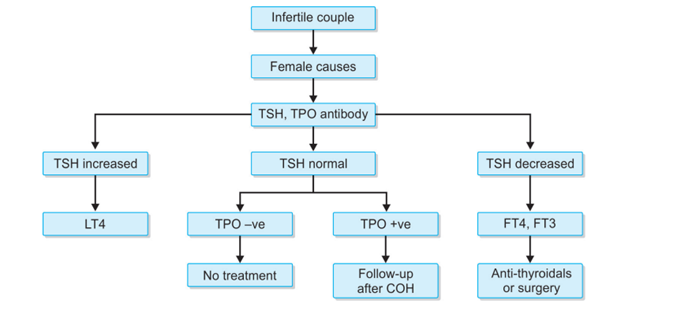
Algorithm of screening of thyriod dysfunction and autoimmunity in infertile women
Postpartum and Beyond
After delivery:
- Most women need reduction in their LT4 dose to pre-pregnancy levels.
- Watch for Postpartum Thyroiditis (PPT)—a transient inflammation of the thyroid, especially in women with autoimmune thyroid disease.
- Follow-up testing at 6 weeks postpartum is essential to detect any dysfunction early.
Bottom Line: Stay Informed, Stay Healthy
Thyroid health is a cornerstone of a safe pregnancy and healthy baby. Here’s a quick checklist:
- Check your thyroid function before or early in pregnancy
- Ensure your prenatal vitamins contain iodine
- If diagnosed, take levothyroxine consistently on an empty stomach
- Get thyroid levels checked regularly
- Continue monitoring after delivery
Did You Know?
- Up to 2.5% of pregnant women have hypothyroidism.
- Most cases are easily manageable with early diagnosis and treatment.
- Even subclinical hypothyroidism can affect pregnancy outcomes.